
Start a Williamson County People Search
Begin with the fact that is least likely to change. A full name is useful, but a name plus an old address, middle initial, relative, or rough date is far stronger. Williamson County divides records by purpose. The assessor ties names to parcels. Court clerks connect parties with cases. The Register of Deeds records land transfers, while the County Clerk keeps current marriage licenses and several license records. Historical names often surface through Archives and library collections.
The order matters. Online indexes can narrow the field, yet an index is only a list that points to another record. It may omit a scan, confidential fields, or a later correction. Confirm the most useful hit with the named custodian before drawing a conclusion.
- Search the name in the Williamson County Archives index and note every record group and reference.
- Use an address in the county property search, then carry the owner name into deed records.
- Check the correct court clerk. Local trial cases and statewide appellate cases use different systems.
- Use vital, obituary, and library sources to test family links and name changes.
- Ask the record custodian for an existing record when no complete online path exists.
Search Williamson County's Archives Index
The strongest broad name tool is the Williamson County Archives search. Search all groups at once or select record groups before entering a name. The current county collection gateway reports more than 400,000 entries, while the index overview still says more than 365,000. That difference reflects an active project, not a precise count of newly added records.
The results may point to microfilm, a bound book, or a loose file. They are not always images. Record the group, year, book and page, and any reference shown. Archives staff can retrieve the source in the Reading Room or help with a remote copy request. Search spelling variants because initials, former surnames, transcription errors, and reused family names can split one person across several entries.
The official historical name search shows the interface used for this Williamson County people search.
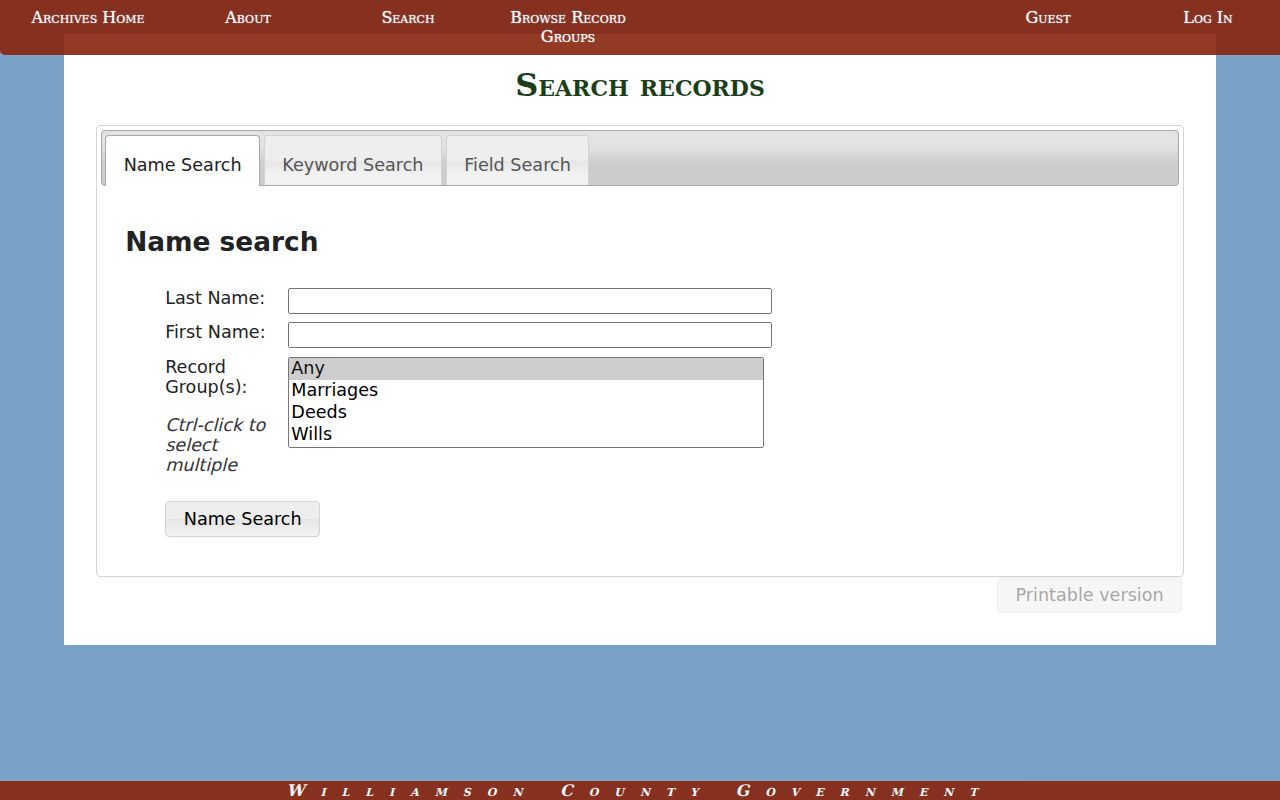
Its group choices help separate a deed party from a probate name, marriage entry, road petition, or other historical reference.
| Archive field | How to use it | Why it matters |
|---|---|---|
| Name | Try full, partial, and variant forms | Finds indexed parties across groups |
| Record group | Search all or narrow the set | Separates similar names by context |
| Reference | Save the source citation | Leads staff to the underlying item |
Note: An Archives hit is a locator, so verify it in the cited book, film, or file.
Where Williamson County Keeps Records
There is no single countywide people-record portal. Current deeds go to the Register of Deeds. The County Clerk handles marriage licenses, notaries, county business licenses, beer permits, and selected board records. The Property Assessor keeps ownership records, cadastral maps, taxpayer indexes, and tax rolls. Franklin also creates municipal records that do not belong to county government. Williamson County public records use separate access rules and request routes.
Williamson County Register of Deeds
1320 West Main Street, Suite 201
Franklin, TN
615-790-5706
Williamson County Archives
611 West Main Street
Franklin, TN
615-790-5462
Williamson County Circuit Court Clerk
135 Fourth Avenue South
Franklin, TN
615-790-5454
Trace Williamson County Property Records
An address can reveal a current assessed owner, parcel number, value data, and land description through the county-linked property tool. A parcel is a mapped tract used for assessment. The person who receives the assessment is not proof of who lives there. Mailing and site addresses may differ, and trusts or business entities may appear in place of an individual.
The Williamson County property assessment search is the practical starting point for an address-based trail.
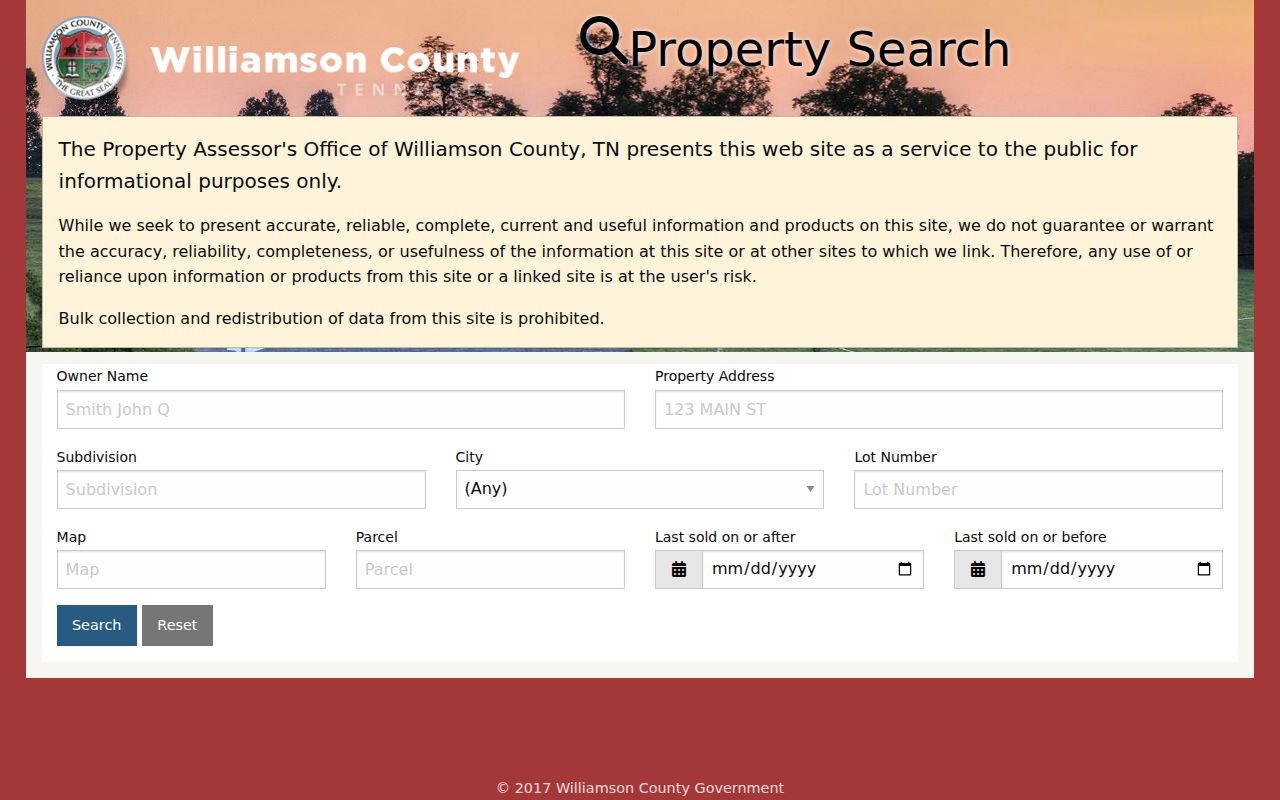
Carry the parcel number and owner name into deeds and plats. The county routes assessment data, recorded deeds, and property-tax accounts to three different offices, so one property may require all three.
- Search the street address or parcel in the assessment tool.
- Record the assessed owner, parcel number, and legal description.
- Use the owner as grantor or grantee in deed research. A grantor transfers property; a grantee receives it.
- For chains after 1966, begin with the Register. For older deeds, shift to Archives microfilm.
Locate Williamson County Court Records
Williamson County trial records stay with local clerks. The Circuit Court Clerk maintains Circuit and General Sessions files, and the Clerk and Master handles Chancery matters. Franklin Municipal Court deals with city ordinance and traffic matters within its jurisdiction. A name search can show a case number, party role, filing activity, and disposition, which is the court's recorded outcome. Sealed, expunged, and protected records are not open merely because other dockets are public.
Tennessee Public Case History is narrower than its statewide name suggests. It covers appellate records filed after September 1, 2006, not every Williamson County trial case. The Tennessee appellate case search illustrates that separate route.
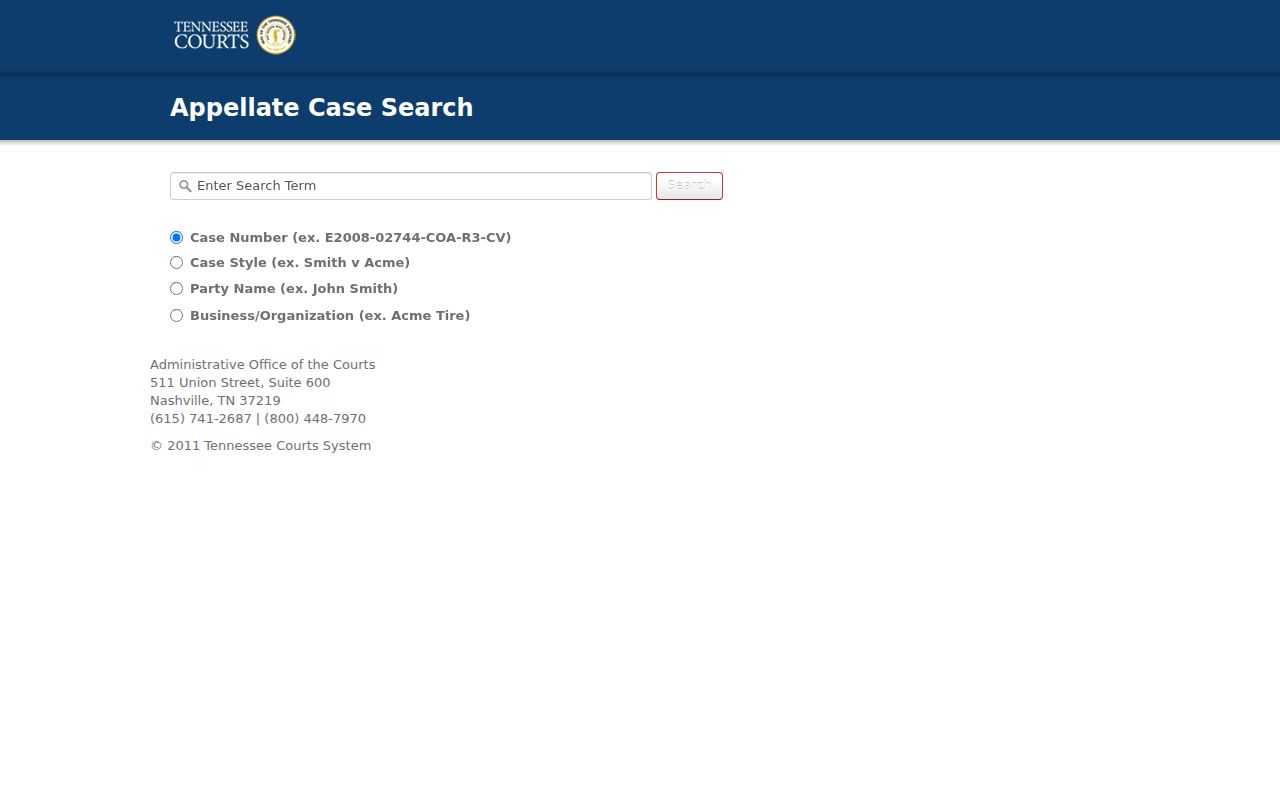
When a local case is absent, contact the right clerk with the party name, court division, and approximate filing date.
| Court record path | Scope | Access |
|---|---|---|
| Circuit Court Clerk | Circuit and General Sessions | Clerk inquiry and available local systems |
| Franklin Municipal Court | City ordinance and traffic matters | Clerk and citation interface |
| Public Case History | Tennessee appeals filed after the coverage date | Free online search |
Find Williamson County Vital Records
Tennessee's vital-record system splits local and state custody. County health departments can issue any Tennessee birth or death certificate registered statewide. The Williamson County Clerk keeps current local marriage licenses. The Tennessee Office of Vital Records issues birth, death, marriage, and divorce certificates, subject to identity and entitlement rules.
Tennessee Code Annotated section 68-3-205 treats the documents that authenticate vital events as public records, but medical and confidential portions remain protected. Certified copies and cause-of-death details have narrower access. Birth records become public after 100 years. State marriage and divorce records over 50 years shift toward county clerks and the Tennessee State Library and Archives. Williamson County Archives also has a marriage index spanning 1803 through 1987.
- Certified copy
- An official copy carrying the issuing authority's certification.
- Index
- A finding list that points to a record but may not reproduce it.
- Confidential field
- Information withheld by law even when basic event facts are public.
Cross Williamson County's Records Divide
Williamson County's property trail has a firm practical handoff. The official historic-property guide directs post-1966 deed research to the Register of Deeds and pre-1966 work to Archives microfilm. The Archives deed index lists scattered 1786 material, 1792 through 1963, and a 1977 entry. Those dates describe index coverage, not a claim that every year or image is complete.
This split also appears in other record sets. Recent marriages remain at the County Clerk, while historical marriage entries reach Archives. Active court cases remain with the creating clerk, even though older court material may reach archival collections. A Franklin mailing address does not decide custody. Franklin, Brentwood, Fairview, Nolensville, Thompson's Station, Spring Hill, and unincorporated communities create different municipal and county trails.
Search Williamson County Professional Licenses
Tennessee offers two useful health-license tools. The verification search is best when a name or license number is known. It can show profession, status, license details, practice data, and possible discipline or profile information. The report builder works in the other direction. It can filter a list by health board, profession, rank, status, location, and Tennessee county.
The Health Related Boards verification search provides primary-source data that the state says is updated daily.
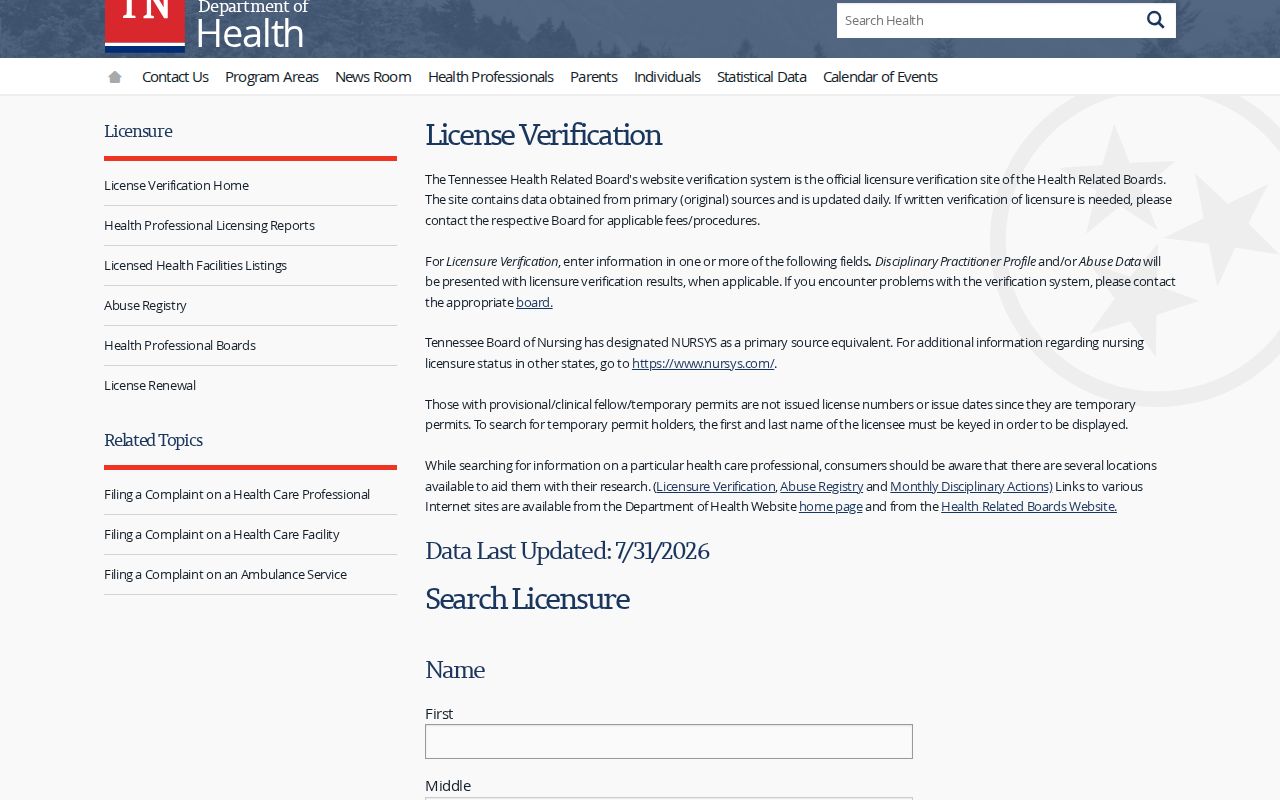
Use a partial last name if exact spelling fails. A county-filtered report can then show whether similarly named professionals practice in Williamson County.
| License search | Best input | Result use |
|---|---|---|
| Verification | Name, profession, or license number | Confirm a known professional |
| Licensing Reports | Board, status, location, county | Build an official county list |
| Commerce search | Person, company, license type, city, or county | Check non-health licenses and registrations |
Explore Williamson County Library Records
Williamson County Public Library Special Collections fills gaps that modern portals cannot. Its holdings include city directories, school yearbooks, newspapers, Bible records, biographies, cemetery and burial sources, military files, pension applications, tax material, old court records, wills, inventories, and WPA records. Rare items stay onsite. The free local digital database adds births, family histories, marriages, veterans, African American genealogy, local news, and searchable obituaries.
The collections support more than dates. An obituary may identify relatives and a church. A yearbook can separate two people with the same name. More than 2,000 Thelma Battle funeral programs connect African American families with congregations, burial facts, and community ties. The Whitley collection holds more than 2,300 genealogy notebooks, many arranged by surname. These records can bridge a name into later census, deed, probate, cemetery, and vital sources.
Use the broader Williamson County local directories route when the goal is to compare staff, school, professional, property, and historical listings.
Check Williamson County Voter Records
Tennessee's voter lookup is an identity-gated self-service tool, not a broad name browser. It asks for personal fields to confirm a registration and can route a voter to polling, sample-ballot, and elected-official information. Tennessee does not register voters by party, so taking part in a primary does not amount to party enrollment.
The county Election Commission is the custodian for local registration questions, signed record changes, district context, and official voter-file requests. Public portions of a registration record do not erase confidential data or address protections. Qualifying Safe at Home participants may use a substitute government address. The complete lookup, field, maintenance, and file-request treatment appears with Williamson County voter registration.
Search Williamson County Registry Results
The Tennessee Bureau of Investigation registry supports partial-name and combined-criteria searches, opens public profiles, offers alerts, and reports daily updates. It is a focused state registry, not a general judgment about every person with a similar name. Confirm the identity and location shown in the official result.
The TBI Sex Offender Registry search is the official Williamson County search route for this record set.
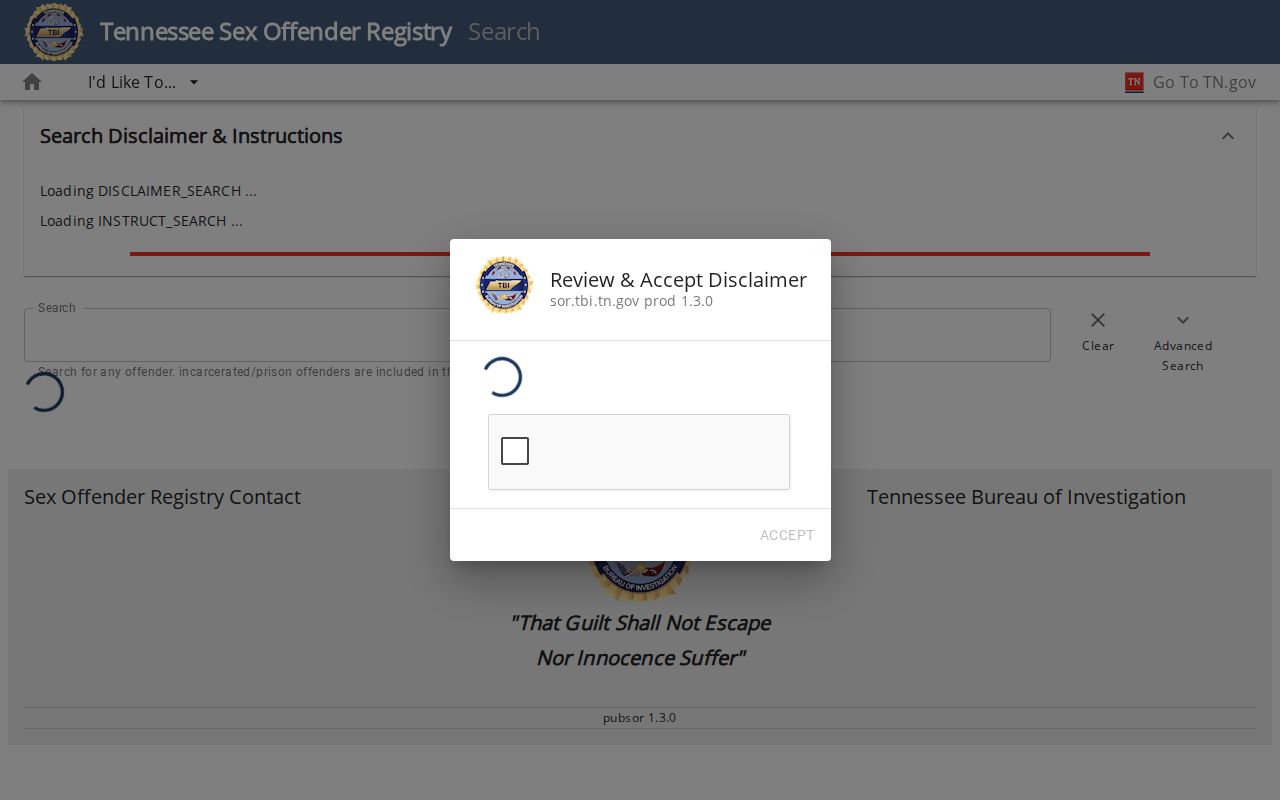
TBI warns that threats, intimidation, stalking, or harassment based on registry information may lead to prosecution or civil liability. Use public data only for a lawful purpose.
Question Williamson County Search Claims
Official portals and commercial finder tools serve different roles. Government systems are tied to a custodian and one record set, but they may have narrow fields, old cutoffs, or records available only at a counter. Commercial results combine many sources. They can be fast, yet names, phones, relatives, and addresses may be stale or joined to the wrong person.
| Source | Strength | Limit |
|---|---|---|
| Official record | Named custodian and defined purpose | May require a request or certified copy |
| Archive index | Broad historical name coverage | Often points to an offline source |
| Commercial compilation | Quick cross-source lead | Can be outdated, incomplete, or mismatched |
Scams add another risk. Tennessee officials warn that impostors may spoof caller ID, claim a missed jury duty or other urgent problem, and demand prepaid cards or banking details. End the call. Find the agency's number yourself and verify the claim. A vendor-hosted property recording alert is also only a lead; confirm any alert against the recorded document.
Read Williamson County's Record Timeline
Williamson County was created from Davidson County in 1799, with Franklin as its seat. Some land references predate the county because early grants and prior jurisdiction can survive in later indexes. The Archives was established by the County Commission in 1993. It moved from the Five Points Post Office basement into the former public-library building in 2006, creating today's archival center and museum.
- 1799: Williamson County and Franklin were created, though some indexed land material is older.
- 1993: County Commission established the Archives.
- 2006: Archives opened in the former library building.
- FY2024: A separate 20,000-square-foot center was completed for inactive departmental records.
- 2025: County Commission accepted a $4,685 state archives grant with no local match.
The inactive-records warehouse is not the public Reading Room. Archives staff manage retrieval, preservation, and lawful disposition there, while researchers continue to use the downtown facility. No sound source confirmed a destructive courthouse fire, so gaps should not be blamed on one.
Find Williamson County Directory Gaps
Williamson County's less familiar collections reach people who may be absent from printed city directories. Freedmen's Bureau labor contracts from 1865 through 1867 name formerly enslaved workers and employers. Emancipation and residency files from 1812 through 1857 include petitions and manumission bonds. St. Paul's Episcopal registers span baptisms, burials, confirmations, marriages, ministers, choirs, and parish groups.
Historic ordinary, tavern, and tippling licenses run in scattered groups from 1800 through 1888. Merchant bonds and licenses cover 1823 through 1888, while naturalization records cover 1835 through 1885. These records can locate a trade, place, legal status, faith group, or country of origin that a plain name list misses.
Search broadly and inspect the original. The Archives browse metadata contains apparent date errors, including a truncated tax year and an obituary year in the future. Treat those as index anomalies, not facts about a person. A sound Williamson County people search ends with the record itself.